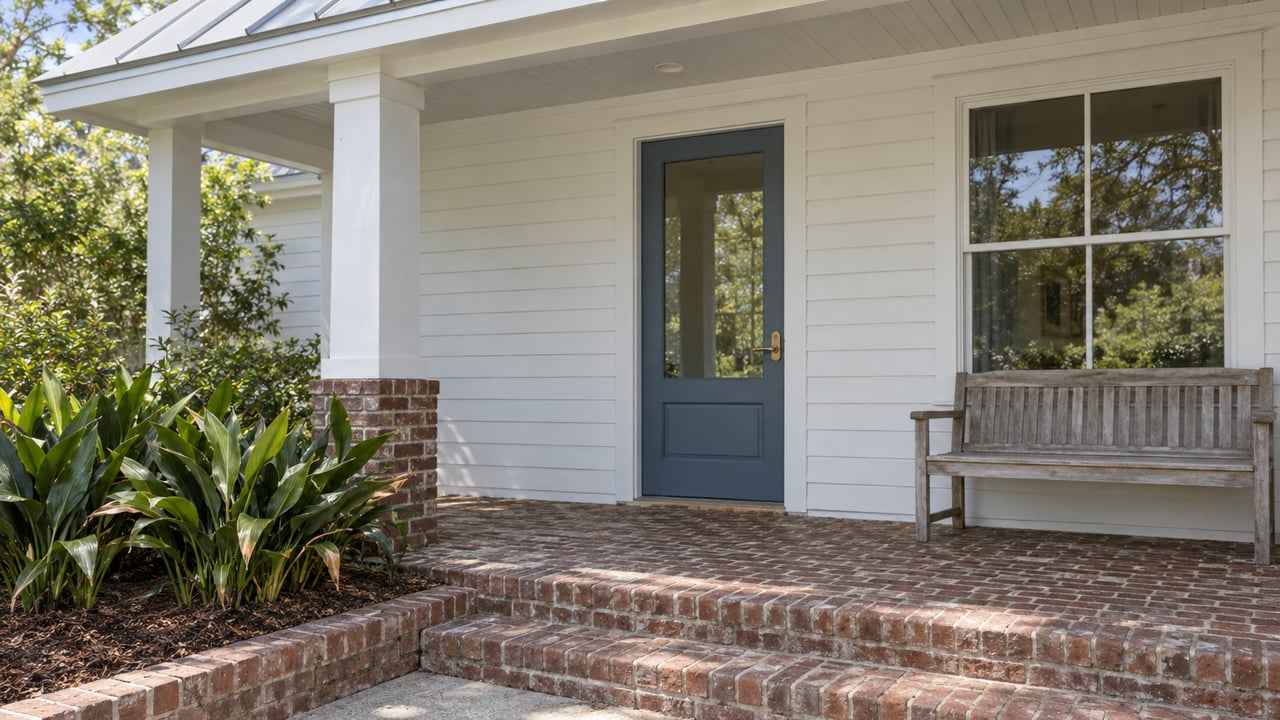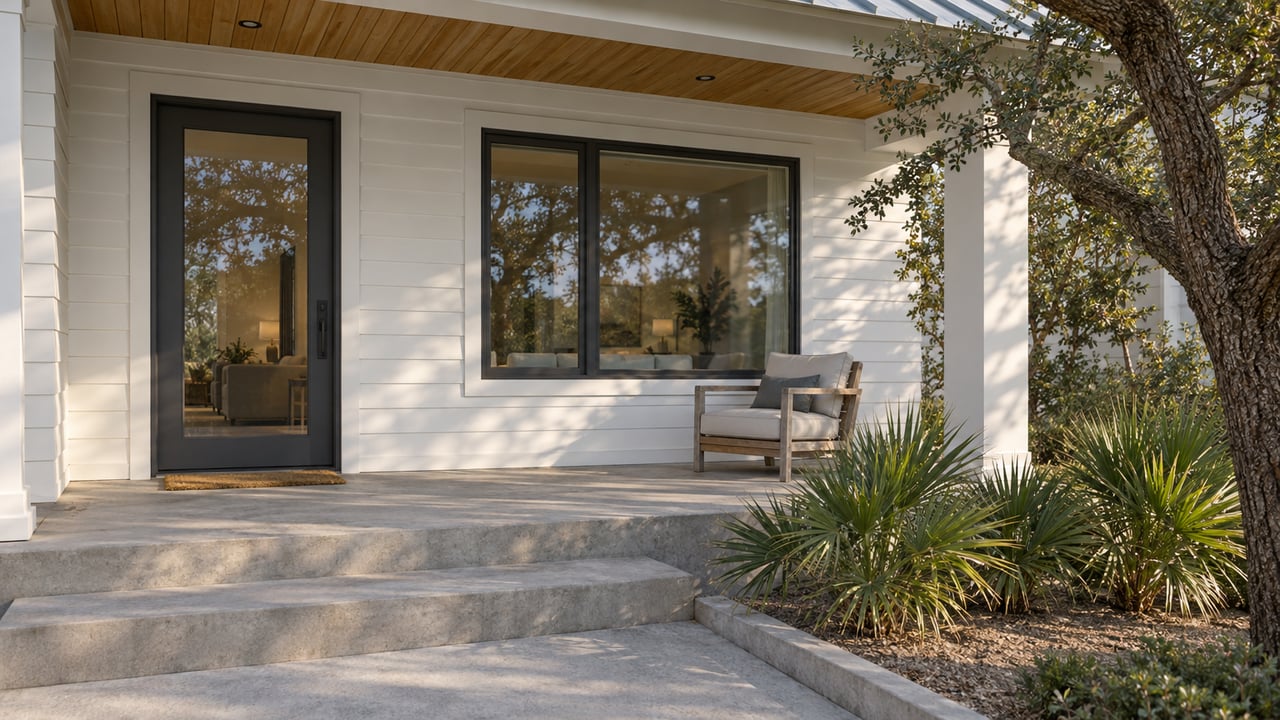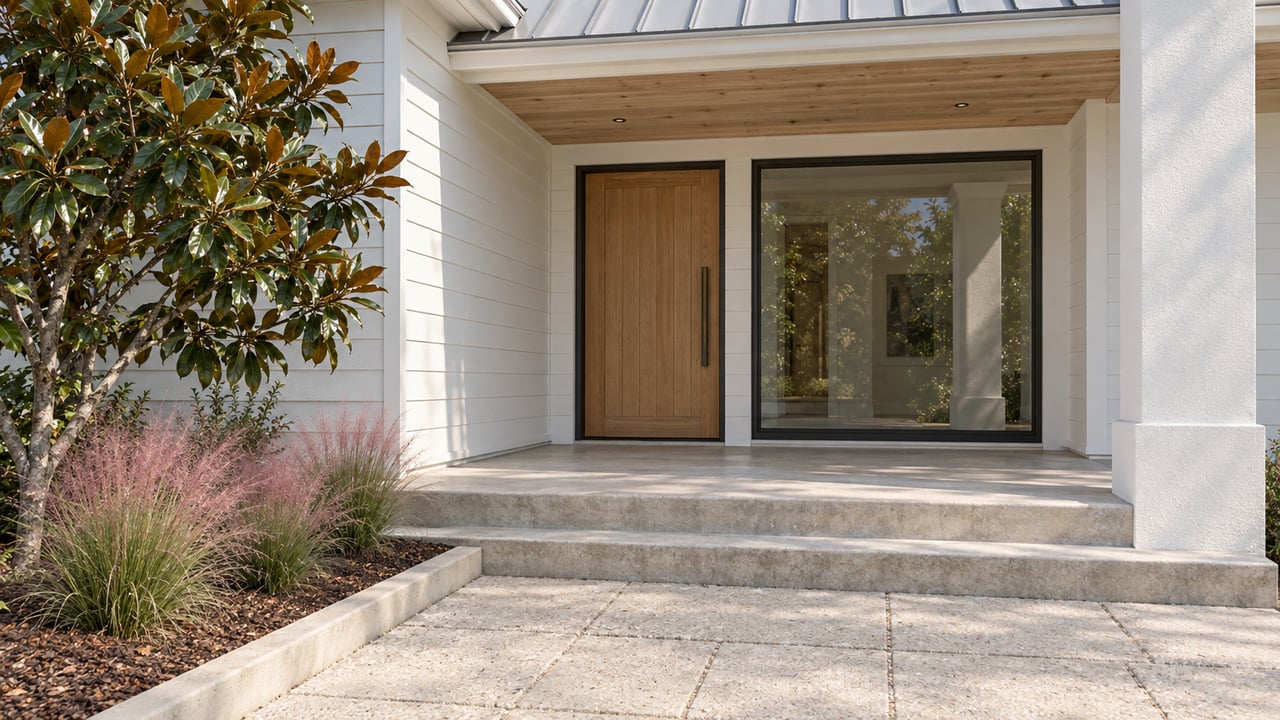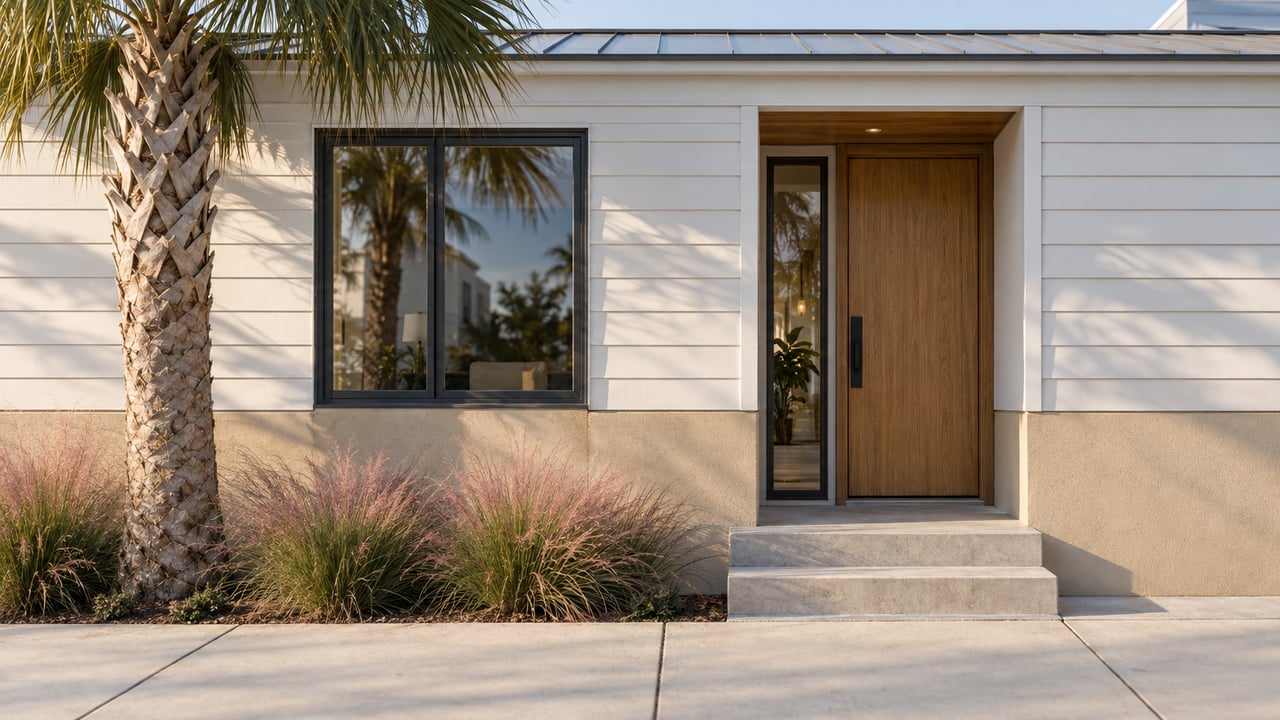
A seller in Panama City looks up the number everyone quotes: median sale price, $306,363, up a rounding error of 0.4% over the past year. Flat. Boring. The kind of number that makes you think you can price your untouched 1970s block home right at market and wait for an offer.
Then the house sits. Sixty, eighty, past a hundred days, while three blocks over a fully renovated bungalow goes under contract in under two weeks, sometimes for more than the asking price. Same city. Same median. Two completely different experiences of the same market.
That gap is the actual story in Panama City right now, and it is one the median price is built to hide rather than reveal.
A Flat Number Built From Two Moving Parts
Redfin's data for the three months ending June 2026 shows 217 homes sold in the city of Panama City, an 18.6% jump from the same window a year earlier. That is a real, meaningful increase in transaction volume. Normally, when that many additional buyers show up in a market this size, prices move. They didn't. The median crept up just 0.4%.
There is only one way both of those things are true at once: the extra buyers found homes to buy without having to outbid each other for them. Supply, not sentiment, absorbed the demand. But averaged together, a rush of easy transactions and a handful of genuinely competitive ones produce the same flat headline number as a market where nothing is happening at all. The median cannot tell you which one you're standing in.
The negotiation data starts to separate the two. Roughly one in seven Panama City sales, 14.2% of them, closed above the original list price over that same three-month window. That is not nothing. Multiple-offer situations are still happening here. At the same time, the citywide average sale-to-list ratio actually slipped slightly, down 0.3 points to 96.8%, meaning the typical home in Panama City is still selling for a bit under ask. Homes are also moving three days faster than a year ago, a median of 65 days instead of 68.
Put plainly: a meaningful slice of the market is moving fast and sometimes competitively, while the broader pool of listings is still giving up ground on price. Both are baked into that one flat median. Neither shows up in it on its own.
What Regional Reporting Adds to the Picture
Local agents describe the split in almost the same terms, even without naming a number. In a July 2026 segment on Bay County's housing market, WJHG spoke with agents who described conditions as balanced but uneven by price point. Beth Mulvey of Beach House Sales pointed out the market has been climbing back from the seller-dominated stretch that followed the pandemic. Jesse Cole of Counts framed it as a market where sellers finally have multiple buyers to choose from and buyers finally have enough inventory to be selective, rather than either side holding all the leverage.
The same segment described homes priced under roughly $400,000 as moving quickly and growing condo inventory as pushing condo prices down in Bay County. Those observations give regional context, but they do not establish which Panama City listings account for the 14.2% above-list share.
There's a second data point worth noting here. The median sale price per square foot in Panama City is $183, down 6.2% year over year, even while the overall median price barely moved. A falling price-per-square-foot alongside a flat median is exactly what you would expect if larger, older, lower-cost-per-foot homes are making up a bigger share of what's selling relative to smaller, updated, higher-cost-per-foot listings. The mix underneath the median is shifting even when the median itself stands still.
The Split Shows Up Inside a Single Neighborhood, Not Just Between Them
You can watch this play out inside one historic Panama City pocket. St. Andrews, the walkable waterfront community along Beck Avenue near the St. Andrews Bay Yacht Club and Sun Harbor Marina, had a median listing price around $240,000 as of late June 2026, with several active listings flagged as likely to sell quickly. Recently renovated homes and condos in buildings like Harbour Village and Landmark Condominiums, both steps from the marina and Historic St. Andrews' shops and restaurants, are the ones picking up that momentum.
Sitting alongside them in the same neighborhood: a historic Folk Victorian on a quarter-acre corner lot near the bay, gutted to the studs and marketed openly as an investor or visionary opportunity, complete with a livable carriage house for rental income while the main house waits for its next owner to decide what to do with it. Same zip code, same water access, same walk to the farmers market under the oak canopy. Wildly different buyer pool, timeline, and pricing logic.
Head the other direction into Southport and the split looks different again. New-construction communities like the DR Horton-built Hodges Bayou Plantation are selling on predictable floor plans and a fixed price point rather than water views or historic character, which changes how competitive bidding plays out. When every home in a subdivision is new and similar, buyers compare spec sheets, not stories, and the above-list scenarios that show up in a place like St. Andrews are less common. Redfin's own tally of the city's popular submarkets, including Southport, St. Andrews, Bunkers Cove, Sweetbay, and Downtown Panama City, is really a map of five different micro-markets operating under one shared, misleadingly flat median.
What This Means Depending on Which Side You're On
If you're selling a home that hasn't been touched in a decade, the market's headline flatness is not permission to price at the neighborhood average and wait. The 96.8% average sale-to-list ratio is the more honest guide: expect to give up a little ground, and expect the marketing period to run closer to the 65-day median or beyond if the home needs obvious work. Pricing to compete with the renovated listing that sold above ask two streets over will just add days on market you don't get back.
If you're buying and you've heard this is uniformly a buyer's market, the 14.2% above-list share should temper that: some Panama City sales are still closing above ask, even though these citywide figures don't show which kinds of listings account for them. Look closely at the specific home and its competition before deciding how to offer. Coming in with a lowball number on the right house is a good way to lose it to someone who read the actual listing instead of the citywide average.
And if condos are part of your search, the Bay County segment's report of growing inventory and downward price pressure offers regional context, but it does not establish that the same dynamic is playing out in Panama City. Check the inventory and recent sales for the specific area and building before drawing conclusions about pricing or how long to wait.
FAQ
Is Panama City a buyer's market or a seller's market in 2026? Neither, evenly. The citywide figures show mixed conditions: 14.2% of sales closed above list, while the average sale-to-list ratio was 96.8%. They don't identify which property types or price points account for those different outcomes, so the market can vary from one listing to another.
Why did more homes sell in Panama City if prices barely moved? The three months ending June 2026 saw 217 sales, up 18.6% from a year earlier, while the median price rose just 0.4%. That combination points to supply meeting the extra demand rather than buyers bidding prices upward, which is a healthier signal than a stagnant market with declining volume.
Should I expect multiple offers on a Panama City listing? It depends heavily on the property. About 14.2% of sales closed above list price over that same window, concentrated in updated and competitively priced homes rather than spread evenly across every listing.
If you're trying to figure out which side of that split your own house, or your search, actually falls on, that's the exact conversation worth having before you set a price or write an offer. Carly Sostheim and the team spend their days inside these numbers, block by block, and can tell you where a specific address really sits. Contact Us.