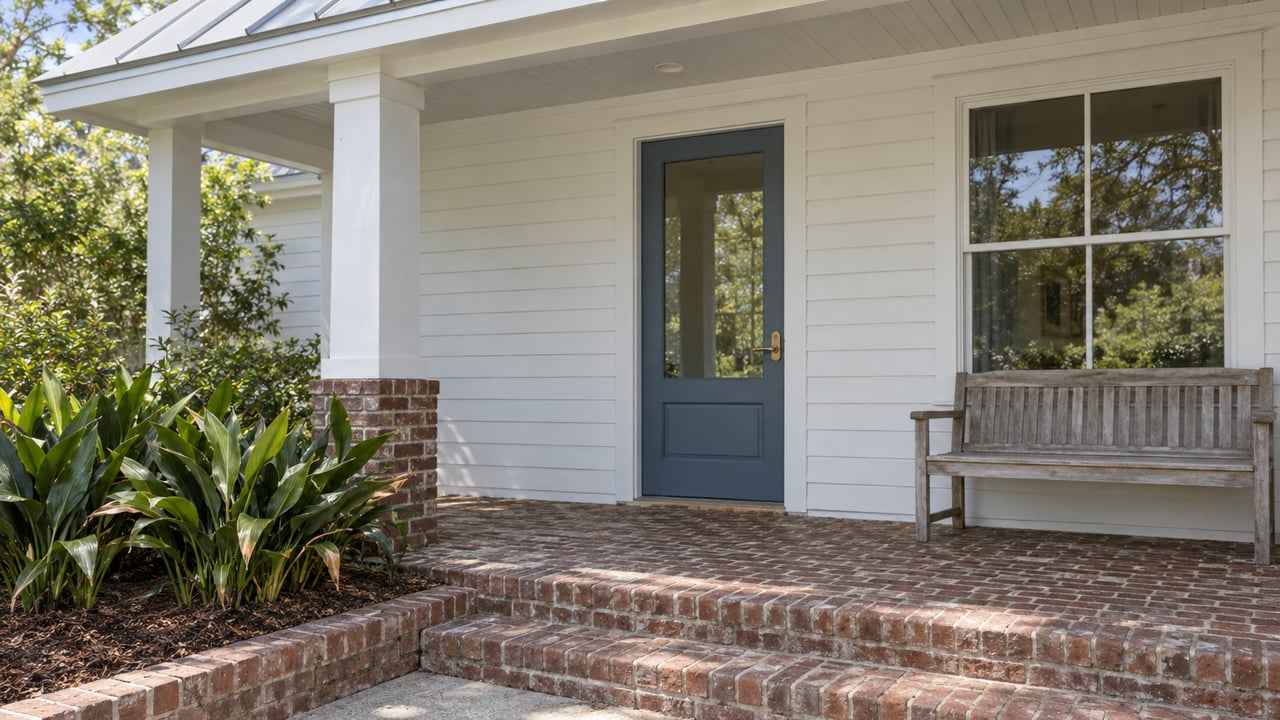
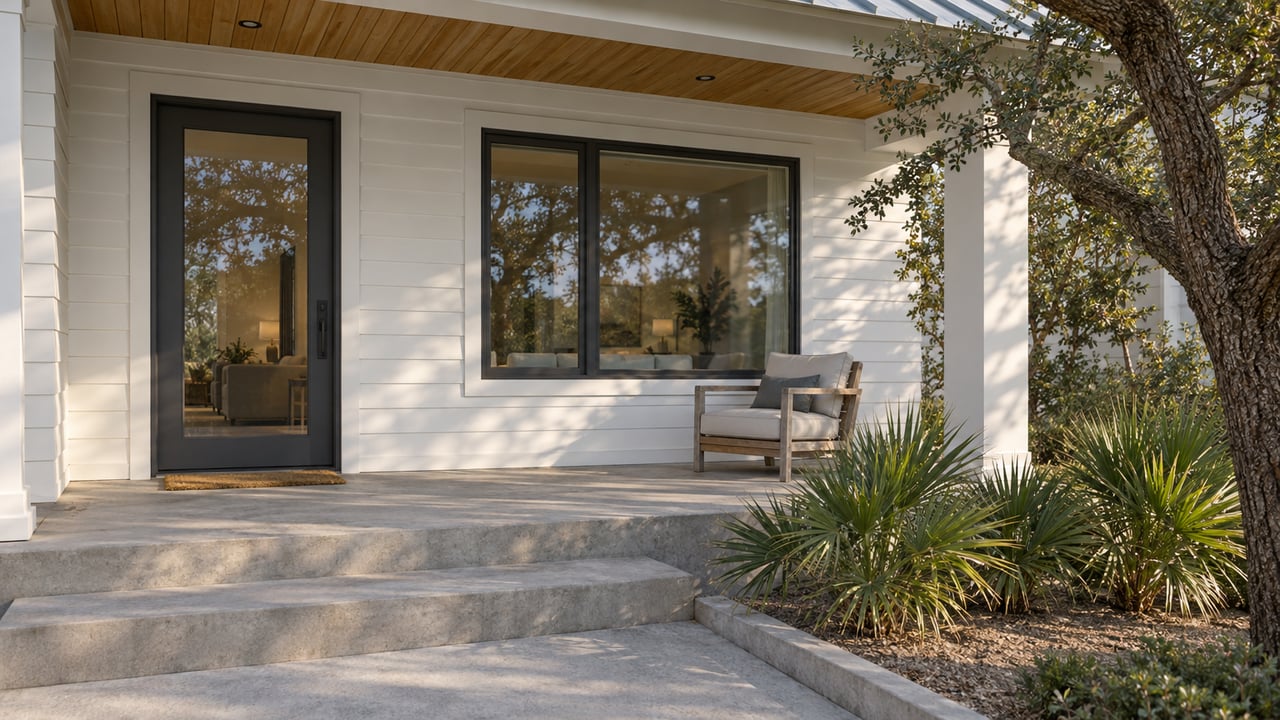
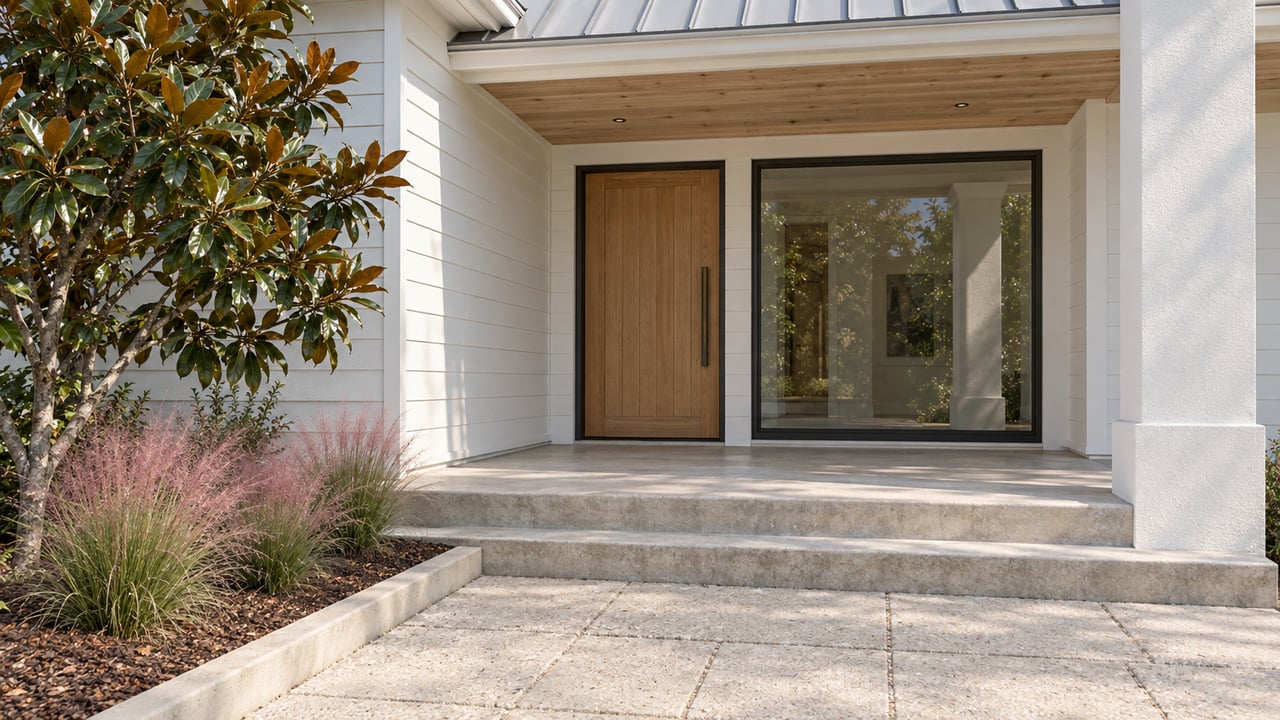
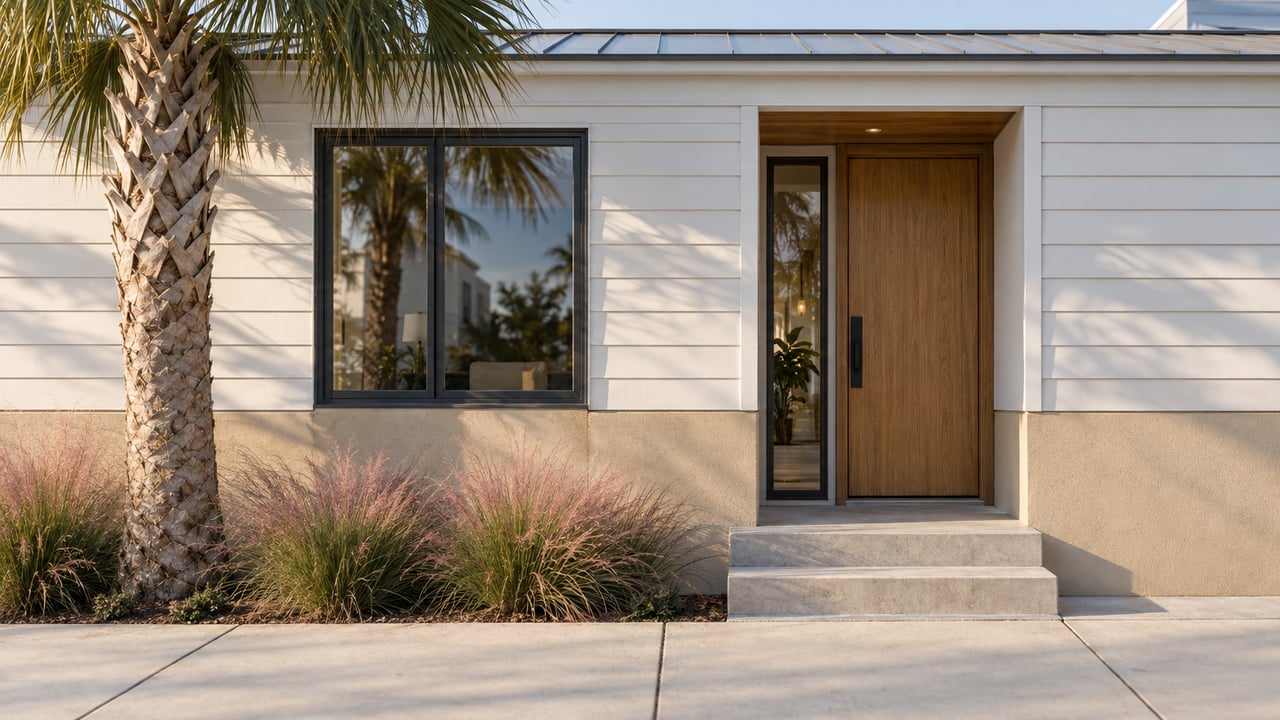
Walk the six blocks of Harrison Avenue between Government Street and the roundabout at 4th, and you'll notice the flyers taped inside a few shop windows before you notice anything else. They ask you to vote. Not for a candidate, not for a homecoming court. For a street.
Harrison Avenue was named one of four finalists for the 2026 Great Places in Florida People's Choice Award, presented by the Florida Chapter of the American Planning Association. Voting closes at 4 p.m. Central on September 30, and APA Florida announces the winner on October 1. That part is simple enough. The interesting part is what the nomination highlights: how Panama City's downtown has changed during the streetscape project and what Harrison Avenue offers today.
A half-mile going up against three master-planned districts
The nominated stretch of Harrison Avenue runs about 0.48 miles, from Government Street down to E. 6th Street along St. Andrews Bay. That is a distance you could walk end to end in under ten minutes, which makes it the smallest, least deliberately designed entry in this year's field. The other three finalists are the City of Bonita Springs, Palm City Place & Patio, and Wellington Town Center, all of which were conceived as unified destinations from the start. Wellington Town Center, for instance, was built around an amphitheater, a memorial, and organized programming, and Wellington already has a precedent to point to: its Environmental Preserve at the Marjory Stoneman Douglas Everglades Habitat won this same award back in 2023.
Harrison Avenue has no amphitheater and no master plan document that predates the 1900s. It has a downtown that grew block by block starting when the area was still called "Harrison" before it was ever named Panama City, and a marina at the end of the street that's been there since 1957. What the judges are actually voting on this year is whether an organically built Main Street, patched together over more than a century and rebuilt in the last four years, counts as a "great people-focused place" the same way a purpose-built town center does.
What actually changed underground and on the sidewalk
The reason Harrison Avenue is even in this conversation traces back to a streetscape project that started in early 2022 and didn't fully wrap up until November 2025. City officials put the total cost at roughly $15 million, covering the corridor from the downtown marina to 6th Street, funded through the city's infrastructure surtax and a grant from the Florida Department of Commerce. The work included new water and sewer lines, stormwater upgrades, wider sidewalks, a roundabout, cobblestone pavers, and string lighting run through the oak canopy that lines the block.
None of that reads as glamorous while it's happening. It reads as a lane closure you have to plan around for three years. City Manager Jonathan Hayes acknowledged as much when the last phase wrapped, saying the disruption to downtown businesses and visitors over the previous years had been real. In a MyPanhandle report, Leslie Todd, who owns Jute & Palm and sits on the Downtown Improvement Board, put it more plainly: the streets are beautiful now, and it was worth it.
The nomination asks voters to consider the finished street and the businesses and history that shape Harrison Avenue.
The businesses doing the work of proving it
A streetscape project can replace pavement and add tree lighting, but it can't manufacture the businesses that make a rebuilt street worth walking. Harrison Avenue's case rests on the ones already there. Along the corridor you'll find Gulf Coast Aquarium and History Class anchoring the cultural end, Tom's Hotdogs and Trigo's for lunch, Mosey's for a pint and live music, Leitz Music for instruments and lessons, BayWitch, C&G Sporting Goods, and Tarpon Dock Seafood for something to cook at home. None of these are chains that could relocate to any strip mall in the country. They're the reason the finished sidewalks matter at all. A wide, well-lit sidewalk in front of a vacant storefront doesn't win awards. A wide, well-lit sidewalk in front of Jute & Palm does.
That distinction is worth sitting with, because it's the difference between a street that got a facelift and a street that got a facelift its existing tenants could actually benefit from. Harrison Avenue's nomination leans on the second version.
Why this vote has a real precedent, not just good intentions
Florida has run this award since 2013, and the pattern is worth knowing before you vote. In 2015, downtown Fernandina Beach won for its historic riverfront district, beating out downtown Lake Worth, Tallahassee's Gaines Street District, and Lakeland. That's the closest comparable case to Harrison Avenue: an old, organically built downtown corridor going up against newer or more deliberately programmed spaces, and winning anyway. More recently, in 2024, Palm Coast's Waterfront Park took the honor over Lake Shore Drive in Lake Park and the Ringling Trail in Sarasota, and in 2022, Collier County's Bayshore Gateway Triangle Community Redevelopment Area won under a similar logic of long-term neighborhood investment paying off.
The point isn't that Harrison Avenue is guaranteed to win. It's that "historic downtown corridor rebuilt through public investment" is a category that has won this award before, which means the judges and the voting public have shown they'll credit exactly the kind of project Panama City just finished.
How to actually cast a vote
If you want in on this before September 30, the process takes about a minute:
- Go to the official ballot at form.jotform.com/fapa/2026GPIF
- Select Harrison Avenue, Downtown Panama City from the four listed finalists
- Submit before 4 p.m. Central on September 30
- Watch for the winner announcement from APA Florida on October 1
There's no login, no account, and nothing to buy. It's a public vote, and unlike the streetscape project itself, this part of the process doesn't take four years.
What a win, or a loss, actually tells you
If Harrison Avenue takes the title on October 1, that's a state-level signal that the years of detours and closed storefronts produced something other cities are willing to recognize. If it doesn't win, that's not evidence the rebuild failed. Wellington, Bonita Springs, and Palm City all have legitimate cases too, and only one finalist gets the trophy.
The tally will show how much support Harrison Avenue received, while the ballot offers people a way to register their view of the finished street. If you've walked Harrison Avenue since the pavers went in, you already have an opinion. The ballot just gives it somewhere to go before the end of the month.
Panama City's downtown has spent four years under construction fencing to get to this point, and the people who run the businesses along that half-mile are the ones who'd know best whether it paid off. If you're curious what a fully rebuilt Harrison Avenue means for downtown's trajectory, or you're weighing property near a corridor that just picked up statewide attention, The Sostheim Group follows this market block by block. Contact Us.