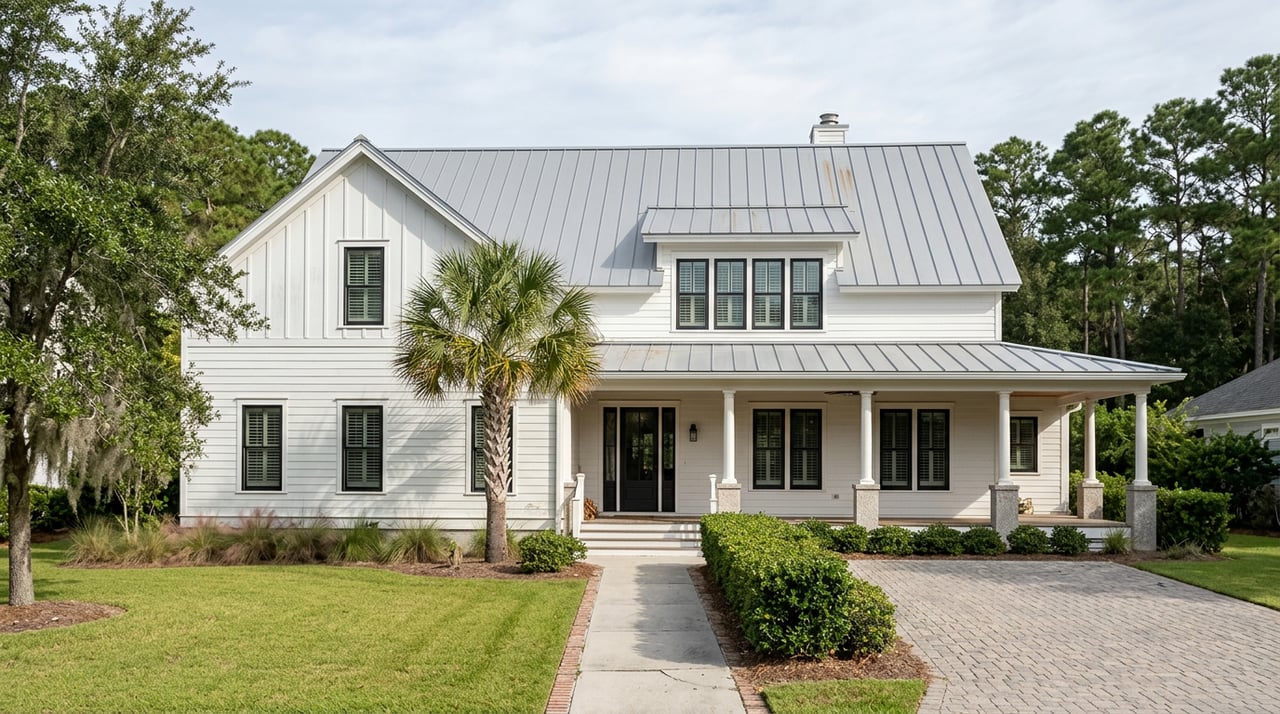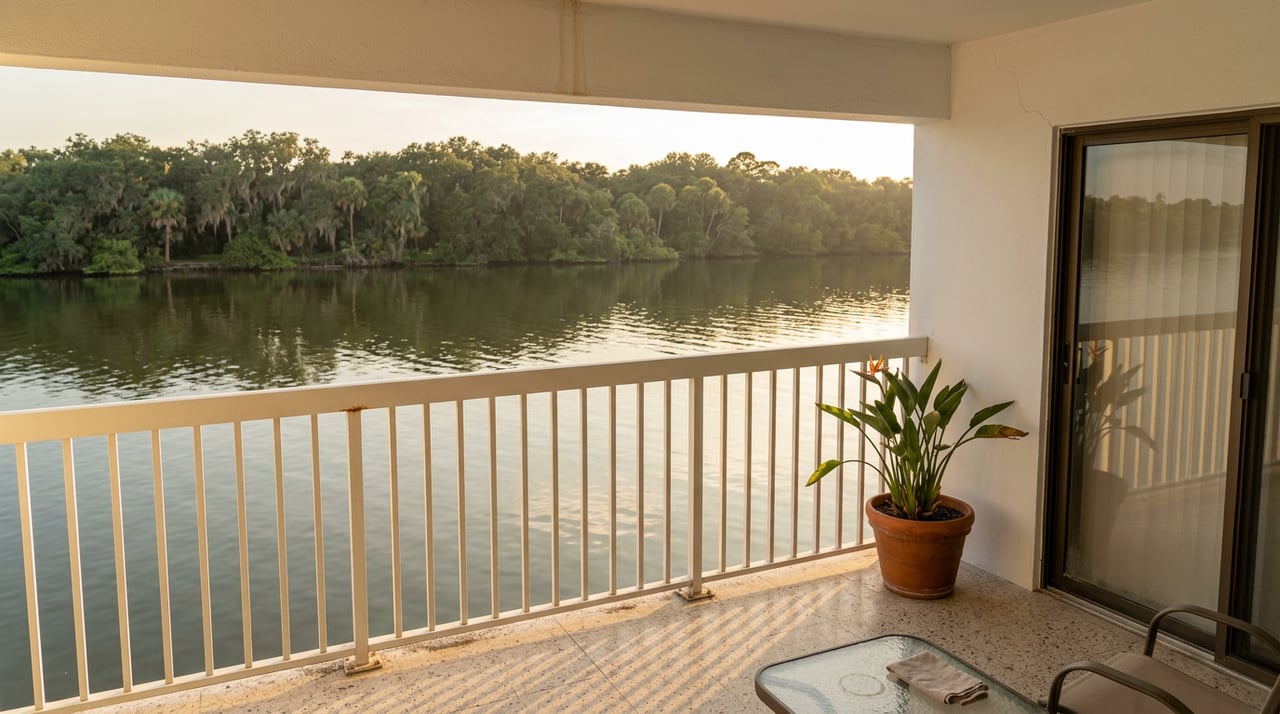
Search "homes for sale in The Cove" and the results blend a 1940s craftsman on Bunkers Cove Road with a one-bedroom unit inside a seven-story tower at the corner of Cherry Street and Beach Drive. Same neighborhood name. Some months, nearly the same price per square foot. Not the same bet.
That distinction used to come down to preference: a yard and a dock, or a balcony and a pool. As of this year, it also comes down to exposure to a Florida law that touches one of those two properties and leaves the other alone entirely. That single fact changes the math on anything you buy at Cove Condominiums, the building most locals just call "The Cove."
One Name, Two Very Different Structures
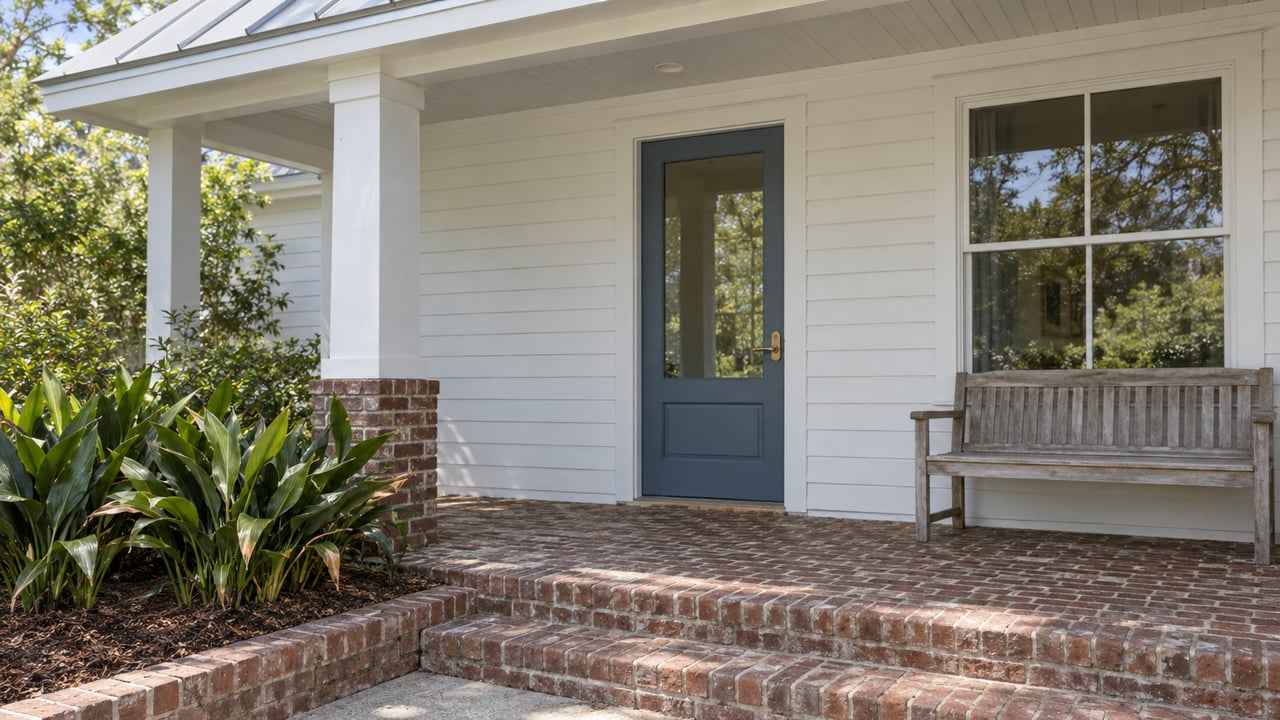
Bunkers Cove Road, Mercedes Avenue, North Cove Boulevard: the historic core of the neighborhood was built out between the early 1900s and the 1950s, with alleys running behind the houses and live oaks old enough to have their own microclimate. These are single-family lots, most bordering Massalina Bayou, Bunkers Cove, Lake Van Vac, or Watson Bayou.
A few blocks over, at Cherry and Beach, sits Cove Condominiums: a seven-story, 50-unit mid-rise built in 1970, overlooking St. Andrews Bay, with a pool, a covered pavilion, a clubhouse, and a fishing and boat mooring dock with its own electric and water service. It is not the only concrete tower tucked inside this historic footprint. Bay Club Condos, on Watson Bayou, is another, with recently renovated corner units that read just as coastal-charming as anything on the peninsula's single-family streets.
Both buildings share the neighborhood's waterfront setting and its historic footprint. Neither shares the legal framework that governs a house three blocks away.
What the Same Price Actually Buys
Here is what recent listing activity in the neighborhood shows, side by side:
| Property | Type | Square Feet | Price | Price per Sq Ft |
|---|---|---|---|---|
| 522 E 4th Ct | Single-family | 912 | $197,000 | $216 |
| 363 Mercedes Ave | Single-family | 1,200 | $295,000 | $246 |
| 316 N Cove Blvd | Single-family | 1,762 | $275,000 | $156 |
| 301 Bunkers Cove Rd | Single-family | 1,615 | $430,000 | $266 |
| Cove Condominiums, 1BR | Condo, built 1970 | 1,090 | $294,900–$325,000 | $270–$298 |
Across the broader Cove market, the average landed at $263.89 per square foot as of mid-May 2026. Set that beside the condo range above and the two categories look almost interchangeable on paper. A buyer scanning listings by price alone would have no obvious reason to treat the bungalow and the tower unit as different products.
They are different products. The house on Mercedes Avenue answers to nobody but its owner and, eventually, its insurer. The unit at Cherry and Beach answers to a condominium association that is now legally required to fund structural reserves it was previously allowed to skip.
What Changed on January 1
Florida's current reserve mandate exists because of the 2021 collapse of Champlain Towers South in Surfside, which killed 98 people and traced back to years of documented but unaddressed structural deterioration. The legislature's response, built through Senate Bill 4-D and refined since, requires condominium and cooperative buildings three or more habitable stories tall to complete milestone structural inspections and maintain a Structural Integrity Reserve Study covering the building's major components: roof, load-bearing structure, waterproofing, plumbing, electrical, fire protection, windows, and exterior doors.
The part that changed most recently is funding. Associations can no longer vote to waive or underfund reserves for the components a SIRS identifies, and full funding was required to begin January 1, 2026, for budgets adopted after December 31, 2024, according to the Florida Department of Business and Professional Regulation's guidance for condominium associations. For years, boards could keep monthly dues lower by deferring work a 56-year-old concrete building eventually needs. That option is gone.
Cove Condominiums, at seven stories and built in 1970, falls squarely inside the class of building this law was written for. That does not mean anything is currently wrong with it. It means the association is now required to have done the work of assessing its condition and budgeting for it,
One detail worth noticing: a recent listing for a combined two-unit residence at Cove Condominiums included a $40,000 HOA credit from the seller at closing. Whether that particular credit ties to an assessment, a pending repair, or simple negotiating room in a slower market is a question for a buyer's agent to ask directly, not one to assume an answer to.
The Question the House Down the Street Never Has to Answer
Florida's milestone inspection and reserve requirements apply to condominium and cooperative buildings three or more habitable stories tall. They do not touch the single-family homes on Bunkers Cove Road, Mercedes Avenue, or anywhere else in the neighborhood's historic footprint. Those owners carry a different version of structural risk, mostly tied to private seawalls, docks, and permit history on their own lots, which is a separate conversation with its own paperwork.
The point is not that one type of property is safer than the other. It is that "The Cove" is not one market with one risk profile. It is two markets, governed by two different bodies of law.
Before You Write an Offer on a Cove Condo
If a unit at Cove Condominiums, Bay Club Condos, or any other mid-rise in the neighborhood is on your shortlist, ask for these before you go under contract:
- The most recent Structural Integrity Reserve Study and the current reserve balance compared to what that study recommends
- The milestone inspection report, including whether a Phase 2 inspection was triggered and what it found
- Board meeting minutes from the past 12 to 24 months
- Any notice of a pending or approved special assessment
- Confirmation that the building currently qualifies for conventional financing, since lenders have tightened review standards on older Florida condo buildings over the past several years
None of that shows up in a median price or a price-per-square-foot comparison. All of it can affect your monthly cost after closing.
FAQ
Does the reserve funding law apply to houses in The Cove, not just the condo buildings? No. It applies only to condominium and cooperative buildings three or more habitable stories tall. Single-family homes in the neighborhood are not subject to it.
How old does a building have to be before a milestone inspection is required? The Florida Department of Business and Professional Regulation says a milestone inspection is generally due at 30 years, or 25 years if the building sits within three miles of the coast and the local jurisdiction has set the earlier trigger.
Is Cove Condominiums the only older mid-rise in the neighborhood? No. Bay Club Condos on Watson Bayou is another concrete mid-rise inside the same historic footprint, and the same due diligence questions apply there.
Talk Through the Numbers Before You Shortlist
If you are weighing a bungalow on Bunkers Cove Road against a unit at Cherry and Beach, the price per square foot will not tell you which one is the smarter decision. The paperwork will. The Sostheim Group works this neighborhood block by block, from the historic single-family streets to the concrete towers along St. Andrews Bay, and we can pull the actual reserve study, board minutes, and inspection history on any Cove property before you write an offer. Contact us and let's look at the real numbers together.
This article is general information, not legal, tax or financial advice. Consult a qualified professional about your situation.